
Apartment Moving Checklist for Dubai
Moving a flat in Dubai involves navigating building rules, facility management approvals, and strict time windows for lift access. Unlike street-level relocations, high-rise moves depend heavily on shared infrastructure, corridor clearances, and administrative clearances at both ends of the journey. Using a tailored apartment moving checklist Dubai tenants can rely on keeps your transition organized and prevents last-minute access refusals at security gates.
An apartment moving checklist in Dubai centers on securing move-in and move-out approvals from building management at both properties, reserving service lifts for dedicated time slots, measuring tight clearance pathways, and coordinating tower access for moving crews.
Securing Building Management Approvals at Both Locations
The core difference between moving a house and relocating a flat is the building administration layer. Every residential tower operates under specific rules set by its developer, owners’ association, or facility management company. Never assume that permissions granted at your current building apply to your new address.
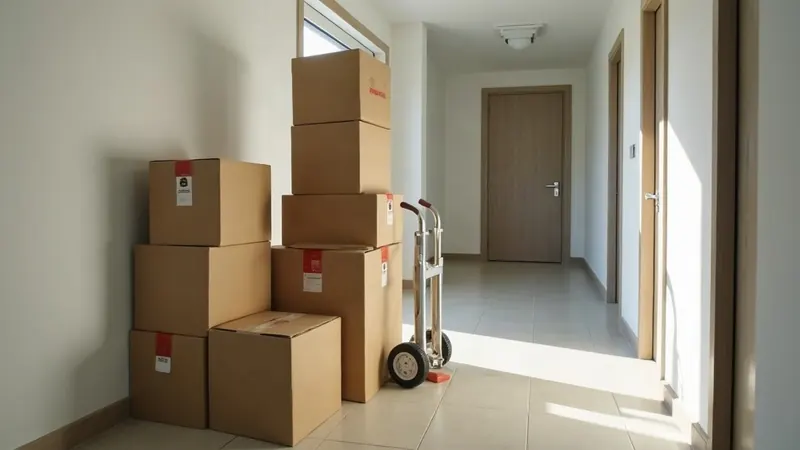
Start administrative procedures at least one week before your planned moving date. You must confirm specific requirements with building management at both locations to avoid crew delays or denied entry at the security gate.
What to Confirm with Origin Building Management
- Move-Out Permit Procedures: Ask whether an official move-out permit, clearance certificate, or written approval form is required before loaded vehicles may exit the site.
- Service Lift Booking: Reserve the service elevator for a specific time block. Passenger lifts are strictly off-limits for furniture transport in almost all residential towers.
- Security Deposit or Administrative Forms: Check if management requires a refundable security deposit to cover potential common area damages during the move.
- Contractor Gate Access: Confirm what identification or work orders your moving crew must present at the security post to enter the property.
What to Confirm with Destination Building Management
- Move-In Approval Requirements: Verify what tenancy documentation, registration details, or move-in permit forms are required before arrival.
- Unloading Time Windows: Confirm approved hours for moving furniture into the building. Many towers enforce quiet hours during evenings and restrict heavy relocations on weekends or public holidays.
- Parking and Loading Bay Height: Check height restrictions for basement or ground-level loading bays so your moving vehicles can park legally without blocking access routes.
| Task Category | Origin Building (Moving Out) | Destination Building (Moving In) |
|---|---|---|
| Access Clearance | Request move-out approval form from facilities office | Submit move-in registration form to building management |
| Elevator Scheduling | Book service lift for designated loading window | Secure service lift slot for designated unloading window |
| Crew Gate Access | Provide security with expected arrival time of crew | Register transport vehicle details with front gate security |
| Operational Hours | Confirm permitted morning or afternoon loading hours | Check allowed evening and weekend move-in time limits |
Measuring Corridor Turns, Doorways, and Lift Dimensions
Furniture that fitted easily into a ground-floor showroom may present structural challenges inside narrow tower corridors or low service elevators. Measuring your pathway before move day prevents unexpected damage and delays.
Take physical measurements of all entry points at both properties, paying close attention to:
- Service Lift Internal Dimensions: Measure height, width, and depth. Pay attention to the door opening width, which is often narrower than the internal cab.
- Corridor Turn Radii: Identify sharp 90-degree turns in hallway corridors between the lift lobby and your apartment door.
- Door Frame Heights and Clearance: Measure the clear entry space of your main door, internal room doors, and secondary safety doors.
Handling Oversized Furniture
If you own large sectional sofas, king-sized headboards, heavy glass dining tables, or triple-door wardrobes, evaluate whether they can pass through entry points fully assembled. Items that exceed lift dimensions must be disassembled within the apartment.
When requesting a quote through MoversInDubai.org, noting oversized or non-dismantlable items early allows moving providers to allocate necessary tools, protective wrapping materials, and extra crew members to handle complex turns.
Room-by-Room Apartment Packing Order
Packing an apartment efficiently requires a methodical approach that keeps your living space functional until the day of the move. Packing rooms in order of utility prevents clutter from blocking narrow corridors and maintains safe access pathways.
- Storage & Balcony
- Guest Bedroom
- Living Room
- Primary Bedroom
- Kitchen (Last)
Stage 1: Non-Essential and Outdoor Areas
Begin with balcony furniture, seasonal items, spare linens, and storage cupboards. These areas contain items you rarely use daily, allowing you to stack packed boxes neatly against structural walls out of main walkways.
Stage 2: Guest Rooms and Decorative Items
Pack spare bedrooms, wall art, framed prints, decorative ornaments, and books next. Label every box clearly with its destination room and a brief summary of contents to streamline unpacking.
Stage 3: Living Room and Main Bedroom
Pack entertainment systems, electronics, extra clothing, and bedroom furniture two days before the move. Disassemble secondary furniture frames while keeping hardware fittings secured in clearly marked bags taped to the main pieces.
Stage 4: Kitchen (Packed Last)
The kitchen should always be packed last. Kitchen items include fragile glassware, ceramic crockery, small appliances, and open food containers that require careful wrapping and immediate loading. Keep essential cookware accessible until the day before relocation.
The Essential First-Night Box
Prepare a dedicated first-night box or suitcase that stays entirely separate from the moving truck. Transport this container in your personal car or taxi.
- Important personal documents, tenancy contracts, and identification copies
- Phone chargers, power banks, and essential electronics
- Basic toiletries, towels, and a change of clothes for each family member
- Basic tools (cutter, screwdriver set, tape measure) for quick assembly
- Disposable cups, bottled water, snacks, and basic kettle supplies
Managing Move-Day Workflow in High-Rise Towers
Move day in a high-rise tower requires parallel management across two physical locations. Stationing one person at the origin flat and another at the destination property ensures smooth operations and continuous supervision.
Origin Tower Logistics
- Keep the apartment door propped open safely using door stops, ensuring fire exit doors remain unblocked.
- Protect corridor walls and door frames with cardboard or padded covers before heavy items pass through.
- Oversee crew loading to ensure heavy furniture enters the service lift first, followed by smaller boxes that fill remaining gaps.
- Maintain clear communication with building security guards to ensure the service lift remains reserved for your designated window.
Destination Tower Logistics
- Arrive at the new property before the moving truck to verify that security has opened access barriers and unlocked the service lift.
- Inspect the destination corridor and apartment entry routes for existing wall scuffs or floor marks before unloading begins.
- Direct crew members to drop boxes directly into their designated rooms according to your box labels, preventing double-handling in the main hallway.
Providing accurate access details—such as basement clearance limits, ramp locations, or elevator access codes—when sending your details for moving quotes helps service providers assign properly sized vehicles and appropriate crew counts.
Elevator Disruption and Access Contingency Options
Service lift breakdowns occur unexpectedly in residential buildings. Having a realistic contingency plan prevents complete disruption if a lift becomes temporarily unavailable on your moving day.
If an elevator malfunction occurs during your move window:
- Notify Management Immediately: Inform the building facilities office or security desk to establish an estimated repair timeline.
- Evaluate Stairwell Access: For low-floor apartments, check if building management permits crew members to use emergency stairwells for lightweight items, boxes, or mattresses.
- Reorganize Loading Sequences: Focus crew effort on packing, furniture wrapping, or stage-assembling items inside the flat while technicians repair the lift system.
- Adjust Work Schedule: Communicating access changes promptly when requesting a quote or updating your moving team allows service providers to manage staff schedules and prevent unnecessary delays.
Coordinating Utility Clearances and Cooling Disconnections with Your Move Timeline
Securing building approvals involves more than filling out paperwork; in many Dubai residential developments, building management will not issue a move-out permit until you present official clearance certificates or final payment receipts from your electricity, water, and district cooling providers. Misaligning these administrative clearances with your physical moving date is a frequent oversight that can halt your move before it begins.
A common mistake is requesting an immediate disconnection of services to settle accounts early. Doing so can leave your apartment without air conditioning or working lighting while packing crews load your belongings, creating uncomfortable and unsafe working conditions. Conversely, waiting until move day to request final meter readings can prevent property management from approving your permit, leaving transport vehicles unable to access the loading area.
To maintain a smooth timeline, align utility administrative steps with your move-day schedule:
- Verify Required Documentation Early: Contact your building’s management office well in advance to confirm which specific utility settlement documents, receipt copies, or clearance letters are mandatory for move-out clearance. Requirements differ between communities and individual towers.
- Schedule Disconnections Post-Loading: Arrange for final utility readings and supply disconnections to take effect after loading is complete, ensuring air conditioning and lights remain fully operational throughout the physical move.
- Coordinate District Cooling Accounts: If your apartment utilizes a centralized or third-party chiller provider, check whether account transfer or final bill processing requires extra processing time before property management validates your departure paperwork.
- Prepare Temporary Access Solutions: If utilities must be disconnected prior to move day due to account closure procedures, speak with your building management about temporary lighting or ventilation access in shared hallways during loading.
By synchronizing account settlements with your packing and transport schedule, you avoid administrative delays at the security gate while keeping the apartment functional until the final box is loaded. Always reconfirm document requirements directly with your current and destination building management teams, as rules and processing methods vary across developments.
Completing the Final Apartment Handover Checklist
Once your furniture and boxes are loaded onto the transport vehicle, conduct a systematic walkthrough of the empty flat before handing back keys to the landlord or building management.
- Check Built-In Storage: Inspect high kitchen cabinets, built-in wardrobe top shelves, utility closets, and medicine cabinets for forgotten items.
- Clear Balcony and Utility Areas: Ensure outdoor balcony spaces, air conditioning closets, and water heater nooks are completely clear of personal belongings and packaging waste.
- Record Utility Readings: Take clear photos of final electricity and water meter displays directly for your service provider records before turning off main switches if required by your landlord.
- Remove Temporary Wall Fittings: Remove hanging hooks, picture nails, or curtain fixtures according to your tenancy agreement terms.
- Final Clean and Key Handover: Perform a basic floor sweep and surface wipe, gather all key sets, parking access cards, and main door transponders, and present them to management during your final move-out inspection.
Frequently asked questions
What should I confirm with building management before an apartment move?
The move-out and move-in requirements at each address, the permitted hours, and the service lift booking. These are set by each building rather than city-wide, so ask both buildings — they often differ.
When should I book the service lift?
Before you confirm the moving date. The lift is usually the scarcest resource, particularly at weekends and month-end, and fixing a date you cannot get a lift slot for is the most common avoidable problem.
What if furniture will not fit in the lift?
Measure the lift depth and door width before move day. Anything that will not fit either gets dismantled or goes down the stairs, and both need to be known in advance so the crew and hours are right.