
Movers in JLT (Jumeirah Lake Towers)
Movers in JLT work around two constraints that barely exist elsewhere in Dubai: finding the right lettered cluster, and getting a vehicle into a height-restricted basement. Relocating within or into Jumeirah Lake Towers requires careful planning around strict building access rules and complex cluster layouts. Navigating JLT involves specific physical constraints—from low-clearance basement parking to shared commercial lifts—that directly affect how crew and trucks operate. Understanding these local quirks helps ensure you secure accurate moving quotes and schedule your move efficiently.
Moving in Jumeirah Lake Towers (JLT) requires navigating lettered clusters (A to Z), strict basement height limits, and designated service access points. Because trucks cannot enter lake-facing promenades, success relies on providing your exact cluster letter and GPS pin, verifying parking clearances, and booking service elevators well in advance with building management.
Navigation and Cluster Layout: Preventing Costly Route Delays
Jumeirah Lake Towers is organized into 26 distinct clusters, lettered A through Z, arranged around three central lakes and a park area. While this design creates a structured community on paper, navigating it by road presents distinct challenges for transport crews.
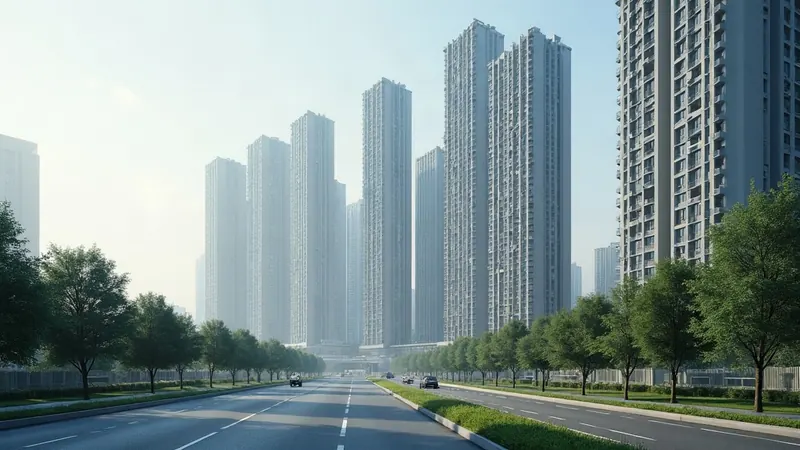
Similar Tower Names Across Clusters
A primary source of delay during a JLT move is building misidentification. Several towers across different clusters share similar architectural styles, developer branding, or naming conventions. For instance, a driver dispatched simply to a building name without a designated cluster letter can easily arrive at the wrong end of the community.
Because JLT’s road network relies on a one-way subterranean ring road and specific surface-level exit loops, missing an entry point or entering the wrong cluster means the driver must exit back onto First Al Khail Street or Sheikh Zayed Road to loop around. A crew sent to the wrong cluster can easily lose 45 to 60 minutes before loading even begins.
Best Practices for Location Sharing
To prevent these navigation errors, never rely solely on a tower name or apartment number when booking JLT movers. When requesting a quote or sending your details to a prospective moving service:
- State the specific cluster letter prominently (e.g., “Cluster X, Tower 2”).
- Send a live map pin directly to the driver or moving coordinator on move morning.
- Specify whether the designated entry ramp is accessed from the upper concourse level or the lower basement loop.
Basement Height Restrictions and the “Long Carry” Problem
Basement access is the single most common complication encountered during moves in JLT. The majority of subterranean parking garages beneath the clusters were built with strict height clearances, often capped between 2.0 metres and 2.1 metres.
Vehicle Sizing Constraints
Standard 3-tonne or 4-tonne box trucks used for residential relocations across Dubai typically exceed 3.0 metres in height. Consequently, these vehicles cannot physically pass under the barrier arms or ceiling pipes of most JLT basement structures.
When a large truck cannot enter the basement, the moving process must adapt in one of two ways:
- Shuttle Vehicles: The moving company in JLT must deploy smaller, low-profile shuttle vans that comply with the 2.1-metre limit. Goods are loaded into the smaller vans inside the basement, driven out to the surface, and transshipped into the larger truck parked on the street.
- Street-Level Loading (The Long Carry): The heavy truck parks at a designated surface-level loading bay or along the cluster perimeter. The crew must then transport every piece of furniture and packed box using hand trolleys across extended distances—from the apartment lift, through long basement corridors or outdoor concourses, and up access ramps to the truck.
Operational Impact of Long Carries
A long carry significantly increases the physical labour and time required to complete a job. Pushing weighted trolleys over 150 to 200 metres of basement concrete or outdoor paving takes considerably longer than loading directly at a bay situated three steps from an elevator core. Factors like these influence how many crew members are assigned to a job and how long the move takes, which is why providing detailed access information up front is essential for accurate scheduling.
Lake-Facing Frontage versus Real-World Access Points
JLT’s architecture prioritizes pedestrian movement along its lower lakefront promenades. While this creates an attractive environment for residents and diners, it creates specific operational boundaries for movers in JLT.
JLT TOWER STRUCTURE
| LAKE-FACING FRONTAGE (Pedestrian Zone Only) | REAR / BASEMENT SERVICE ACCESS (Vehicular Access Point) |
|---|---|
| Strictly no motor vehicles | Designated loading bays |
| Scenic pedestrian paths | Goods lift elevator core access |
| Extended trolley distance | Ramp access for clearance vehicles |
Vehicles are strictly prohibited on the lake-level promenades and pedestrian bridges. If your apartment or office suite overlooks the lake, the view side of the building is completely inaccessible to moving vehicles.
All items must be moved through the internal service corridors toward the rear of the building or down to the underground parking levels. Crews cannot park on the lakeside walk to load furniture through ground-floor glass doors or side entrances. Attempting to drop off or load items along unauthorized pedestrian zones can result in immediate security intervention and fines from community management.
Shared Lifts in Mixed-Use Towers
Unlike purely residential developments in other areas of Dubai, almost every cluster in JLT contains a mix of residential towers, commercial office buildings, and ground-floor retail establishments. Some individual towers themselves contain both commercial office spaces on lower floors and residential apartments above.
High-Demand Freight Elevators
In a mixed-use environment, the dedicated goods lift is a heavily contested resource. On any given weekday, a single service elevator in a JLT tower may be required to handle:
- Office movers in JLT executing commercial workspace transfers.
- Daily courier deliveries and restaurant supply shipments.
- Contractor teams transporting fit-out materials or debris.
- Residential apartment movers in JLT loading household furniture.
Because of this heavy demand, building security teams enforce strict time windows for elevator reservations. If an apartment move runs over its allocated time slot because of loading delays down in the basement, security may require the crew to vacate the lift so a commercial tenant can use it, halting the move until a later window becomes available.
For general details on how high-rise elevator bookings, wall protection standards, and lift dimensions operate across different tower environments, refer to our comprehensive high-rise moving guide.
Key Operational Factors Impacting JLT Move Quotes
When contractors calculate the work required for a move in Jumeirah Lake Towers, they evaluate several physical parameters specific to the location. The table below outlines how these local factors shape the logistics of a move.
| JLT Access Factor | Physical Constraint | Operational Solution Required |
|---|---|---|
| Basement Clearance | Ramps restricted to ~2.0m – 2.1m height. | Use of low-clearance shuttle vans or parking outside the basement. |
| Cluster Layout | Complex one-way ring road loops (A to Z). | Explicit cluster lettering and live map pins sent to drivers. |
| Pedestrian Lake Frontage | No vehicle access on promenade levels. | Internal routing through rear service halls and designated lifts. |
| Mixed-Use Demand | Goods lifts shared between offices and residences. | Strict advance time-slot booking with tower management. |
| Concourse Distances | Extended walking distance from lift core to loading area. | Additional manual labour and heavy-duty hand trolleys. |
Understanding these variables ensures that when you compare proposals from Jumeirah Lake Towers movers, you understand why certain moves require larger crews or specialized shuttle vehicles.
Community Access and Building Management Permits
Executing a move in JLT requires adherence to administrative rules set by community master developers (such as DMCC) and individual building management entities (including Concordia and private strata boards).
Move-In and Move-Out Permits (MOP)
Before any furniture or packed items can enter or leave a JLT tower, the resident or office management must secure a formal move permit.
- Move-Out Requirements: Typically require proof that clear balance certificates or outstanding service charges have been settled with the building management, along with tenant identification copies.
- Move-In Requirements: Generally require a copy of the registered tenancy contract, tenant passport/Emirates ID, and written confirmation from the property owner.
Every building enforces its own timeline for approving these permits, usually requiring submission between two to three working days prior to the move date.
Permitted Working Hours
Noise restrictions and common-area usage rules are enforced across JLT, but specific policies vary by building. Many buildings restrict heavy moving activities to designated daytime hours, and moving on certain days or holidays may be restricted or prohibited. Because securing approval can take time, always confirm the exact permitted hours directly with your building management to avoid delays on move day.
Preparing Your Relocation Details for an Accurate Quote
To get the most accurate response when requesting a quote through MoversInDubai.org, gather the exact logistical details of your origin and destination towers beforehand.
When sending your details to local moving companies, ensure you include:
- The Exact Cluster and Tower: Specify the letter (e.g., Cluster O, Reef Tower) rather than just the street address.
- Basement Height Clearance: Note whether a standard truck can enter or if height barriers exist.
- Elevator Reservation Window: Indicate the precise times building security has granted you access to the goods lift.
- Volume and Item Specialisation: Detail large items (such as king-size mattresses, bulky sofas, or IT server racks) that require careful dismantling or long trolley runs.
- Distance to Loading Point: Mention whether the truck can park directly near the lift or if items must be wheeled across a long surface parking lot.
Providing these details upfront allows service providers to allocate the appropriate vehicle types and crew size, ensuring a smooth transition on move day.
Frequently asked questions
Why do movers need the cluster letter in JLT?
Because tower names repeat across clusters and the lake layout makes it easy to arrive at the wrong one. Give the cluster letter and a pinned map location — it is the simplest way to avoid losing the first hour of the day.
Can a large moving truck enter a JLT basement?
Often not. Basement height restrictions in many JLT towers exclude larger vehicles, which means loading at street level and a longer carry. Flag the height limit when you request a quote so the right vehicle is assigned.
Are JLT office moves different from apartment moves?
Mainly in timing. Office moves in JLT usually run outside business hours because the goods lift is shared with residential tenants and daytime deliveries, and out-of-hours access needs building approval.